
Reviewed and published by the Uniform Weavers editorial team, based on our experience manufacturing corporate, hospital, hotel, industrial and security uniforms for businesses across India.

Workplace uniforms create a consistent professional image, make employees easier to identify, support safety requirements, and strengthen brand identity — but they also bring practical trade-offs around comfort, sizing, cost, maintenance and employee acceptance. For HR teams, procurement managers, business owners and operations professionals, the real question is not simply whether uniforms are “good” or “bad.” The more useful question is whether the uniform program is designed correctly for the employees, working environment and brand.
In this guide, we look at the major advantages and disadvantages of uniforms in the workplace, along with practical ways businesses can reduce the drawbacks of employee uniforms.
Advantages and Disadvantages of Workplace Uniforms at a Glance
| Advantages of Workplace Uniforms | Disadvantages of Workplace Uniforms |
|---|---|
| Creates a professional appearance | May reduce individual expression |
| Strengthens brand identity | Poor fabrics can cause discomfort |
| Makes employees easier to identify | Requires an initial investment |
| Supports workplace safety | Sizing and fit can be challenging |
| Helps distinguish departments and roles | Some employees may resist uniforms |
| Creates consistent dress standards | Requires cleaning and replacement |
| Encourages team identity | One design may not suit every job role |
| Simplifies employee clothing decisions | Uniform inventory must be managed |
The impact of a uniform program largely depends on how carefully the garments are designed, manufactured, fitted and implemented.
What Is the Purpose of Uniforms in the Workplace?
A workplace uniform is more than clothing with a company logo. Depending on the industry, uniforms can serve several practical purposes. They can help businesses:
- Maintain a professional and consistent appearance
- Identify employees quickly
- Differentiate departments and job roles
- Communicate the company’s visual identity
- Provide suitable clothing for specific working conditions
- Support safety and hygiene requirements
- Reduce uncertainty around workplace dress standards
The role of a uniform also changes by industry. A corporate office may primarily require uniforms for professional presentation and branding, while an industrial facility may need garments designed around durability, mobility, visibility and workplace safety. Hospitals, hotels, restaurants, security companies and facility management businesses may require different uniforms for different departments — which is why an effective uniform program should be designed around the actual work employees perform rather than one standard garment for everyone.

Advantages of Uniforms in the Workplace
1. Creates a Professional Business Image
One of the biggest advantages of employee uniforms is consistency. When employees interacting with customers wear well-designed and properly fitted uniforms, the organisation can present a more organised and professional appearance. This is particularly important in customer-facing industries such as corporate offices, hotels, restaurants, hospitals, retail, security services, facility management, and logistics and field services.
Professionalism depends heavily on uniform quality, though. Poor fitting, faded fabrics, uncomfortable designs or inconsistent branding can create the opposite effect. Businesses should consider fabric, fit, colour consistency, stitching quality and branding placement before finalising a uniform.
2. Strengthens Brand Identity
Employees are often one of the most visible representations of a company. Uniforms let businesses incorporate elements of their identity into everyday operations through company colours, embroidered or printed logos, coordinated shirt and trouser combinations, jackets and blazers, polo T-shirts, department-specific designs and accessories.
When uniforms are consistent across employees and locations, they reinforce visual recognition of the organisation — particularly valuable for businesses with customer-facing teams, field staff, multiple branches or large workforces.
3. Makes Employees Easier to Identify
In many workplaces, customers, visitors, patients and contractors need to quickly identify authorised employees. Uniforms make this process easier: hotel guests can identify front-office or housekeeping employees, hospital patients can distinguish staff members, visitors can recognise security personnel, and customers can identify sales or service employees.
Businesses can further improve identification through role-specific uniform styles, colour combinations, embroidered names, department labels or identity cards — particularly useful in organisations with large teams or multiple departments.
4. Can Support Workplace Safety
For some industries, uniforms have a functional purpose beyond appearance. Employees working in factories, warehouses, maintenance operations, construction-related environments, kitchens, healthcare facilities or outdoor locations may need garments suited to specific working conditions — durable fabrics, high-visibility elements, appropriate sleeve designs, functional pockets, breathable materials, easy movement, protective garments or easy-to-clean fabrics.
The exact requirements should always be based on the employee’s role and a workplace risk assessment. A receptionist and an industrial technician, for example, should not automatically wear the same type of clothing simply because they work for the same organisation.
5. Helps Differentiate Departments and Job Roles
Department differentiation is particularly useful where several types of employees operate within the same environment. In a hotel, uniforms may distinguish front-office staff, housekeeping employees, food and beverage teams, chefs, supervisors and maintenance personnel. In a hospital, uniforms may help distinguish nurses, doctors, administrative staff, laboratory teams, housekeeping employees and support staff.
Businesses can create a common visual identity while still giving each department a distinctive uniform — several departments may use the same brand colours while having different garment styles based on job requirements. This combination provides both brand consistency and operational clarity.
6. Creates Consistent Workplace Dress Standards
Dress codes can sometimes be open to interpretation — one employee may consider a particular outfit appropriate for work while another interprets the same policy differently. Uniforms reduce that uncertainty. Rather than expecting every employee to interpret a written dress code, businesses can establish clear clothing standards through approved uniform garments. A clear uniform policy should still explain when uniforms must be worn, how they should be maintained, and how replacement garments are handled.
7. Encourages a Shared Team Identity
A consistent employee uniform can help create a visible sense of belonging to the same organisation or department, particularly in businesses where employees work across different locations, shifts or operational teams. Uniform design should still recognise that employees have different body types, comfort requirements and job responsibilities — a better approach is to establish a common design system while allowing suitable variations where required.
8. Simplifies Clothing Decisions for Employees
Workplace uniforms reduce the need for employees to decide what qualifies as appropriate clothing every day. Employees know what they are expected to wear, while managers do not need to repeatedly interpret general dress-code standards. Employers should make sure sufficient uniform quantities are provided so employees can rotate garments between washing cycles.
Disadvantages of Uniforms in the Workplace
Uniforms provide several business benefits, but poorly planned uniform programs can also create problems. Understanding these disadvantages before placing a bulk uniform order can help businesses avoid costly mistakes.
1. Uniforms Can Be Uncomfortable
Comfort is one of the most common concerns with workplace uniforms. A fabric or garment that looks professional may not necessarily be suitable for an employee who wears it for eight or more hours. Comfort problems may be caused by unsuitable fabric, poor breathability, incorrect sizing, restrictive garment construction, excessive fabric weight, unsuitable seasonal clothing, or insufficient movement allowance.
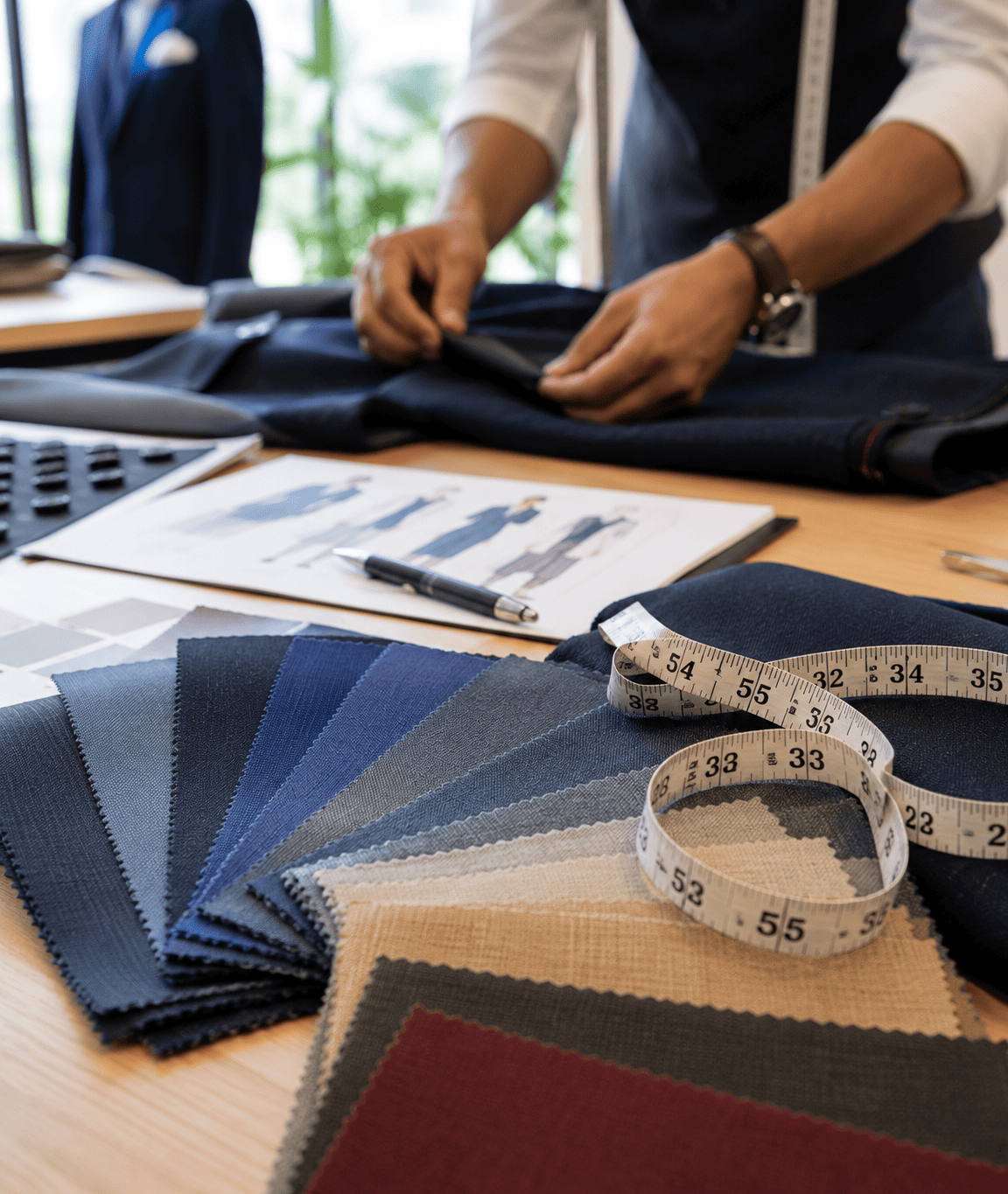
How businesses can reduce this problem: Before bulk production, evaluate uniforms in the real working environment — select fabrics based on working conditions, produce samples, conduct fitting trials, collect employee feedback, test movement and comfort, and adjust the garment before final production. For employees working in warm environments, breathable fabrics and suitable fabric weight matter most; for physically active roles, garment construction should allow comfortable movement.
2. Uniforms May Limit Individual Expression
Some employees prefer having greater freedom over what they wear to work. A strict uniform program can feel restrictive, particularly in workplaces where formal uniformity is not operationally necessary.
How businesses can reduce this problem: Instead of an unnecessarily rigid uniform policy, offer controlled choices — multiple approved shirt styles, different fit options, polo T-shirts and shirts for different roles, optional jackets or blazers, and approved accessories. This gives employees some choice while preserving the company’s overall professional appearance.
3. Uniform Programs Require an Initial Investment
Introducing employee uniforms creates costs businesses need to plan for — garment manufacturing, embroidery or printing, sampling, fitting, alterations, employee size distribution, replacement garments, additional stock and future reorders. For organisations with hundreds or thousands of employees, poor planning can significantly increase total uniform costs.
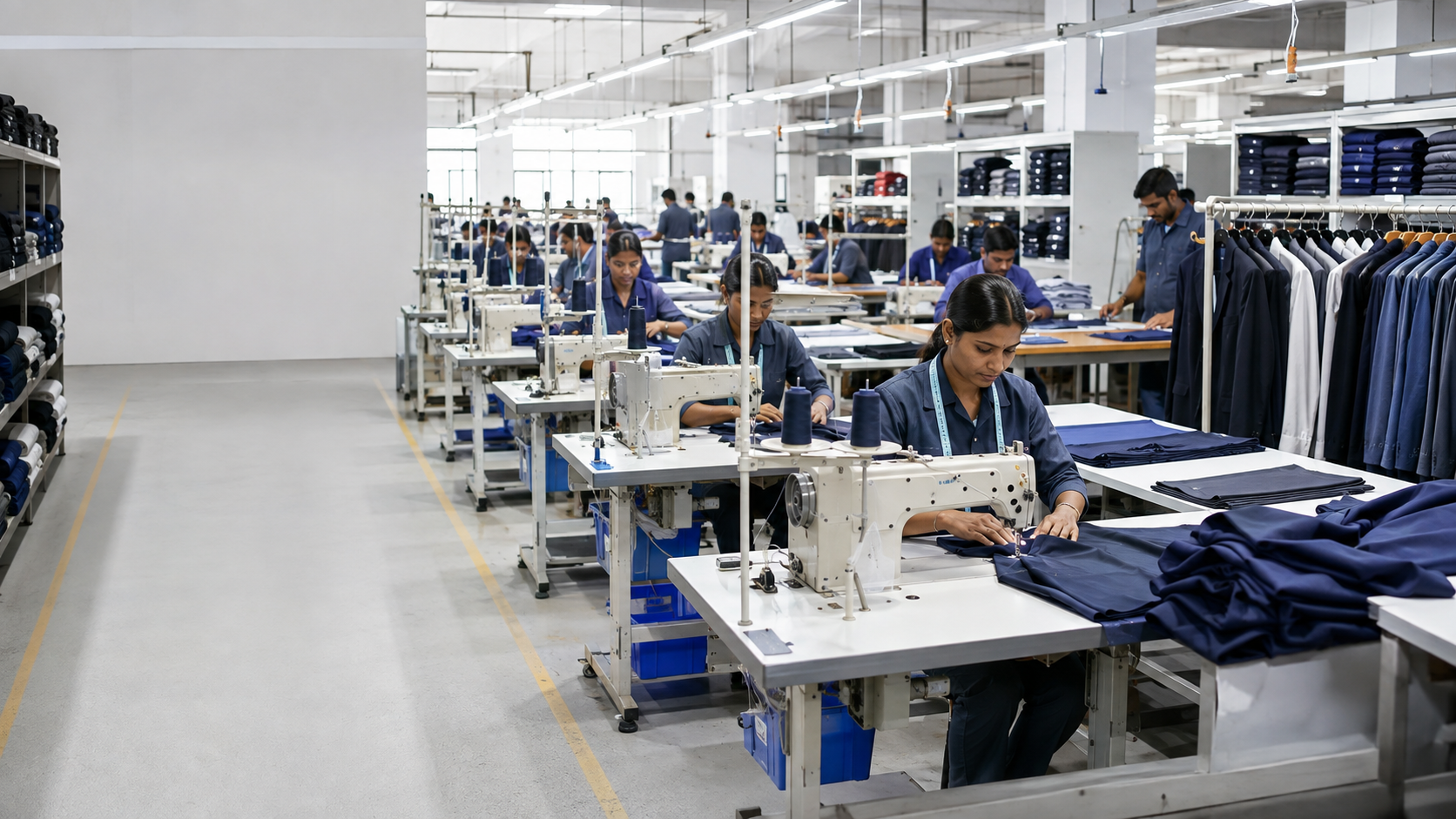
How businesses can manage this: Evaluate the total lifecycle cost of a uniform rather than simply selecting the lowest garment price. A slightly more durable garment often provides better long-term value if it holds its appearance through repeated use and washing. Discuss expected garment usage, wash frequency, replacement cycles and reorder requirements with the uniform manufacturer before placing an order.
4. Sizing and Fit Can Be Difficult
Employees do not all have the same body type. Using only a limited number of standard sizes can result in garments that are uncomfortable or poorly fitted, leading to restricted movement, overly loose garments, inconsistent appearance, additional alterations, high replacement rates and employee dissatisfaction.
How businesses can reduce this problem: For large uniform programs, provide a complete size chart, use trial-size garments, conduct employee measurements, offer inclusive size ranges, identify special-size requirements early, and keep accurate employee sizing records for repeat orders. Sample fitting before bulk production prevents a large number of avoidable problems.
5. Employees May Resist a New Uniform
Even a well-designed uniform program may face resistance if employees are suddenly told to wear unfamiliar clothing. The issue may not necessarily be the idea of a uniform itself — employees may object because of poor fit, uncomfortable fabrics, impractical features, concerns about appearance, lack of consultation, or sudden implementation.
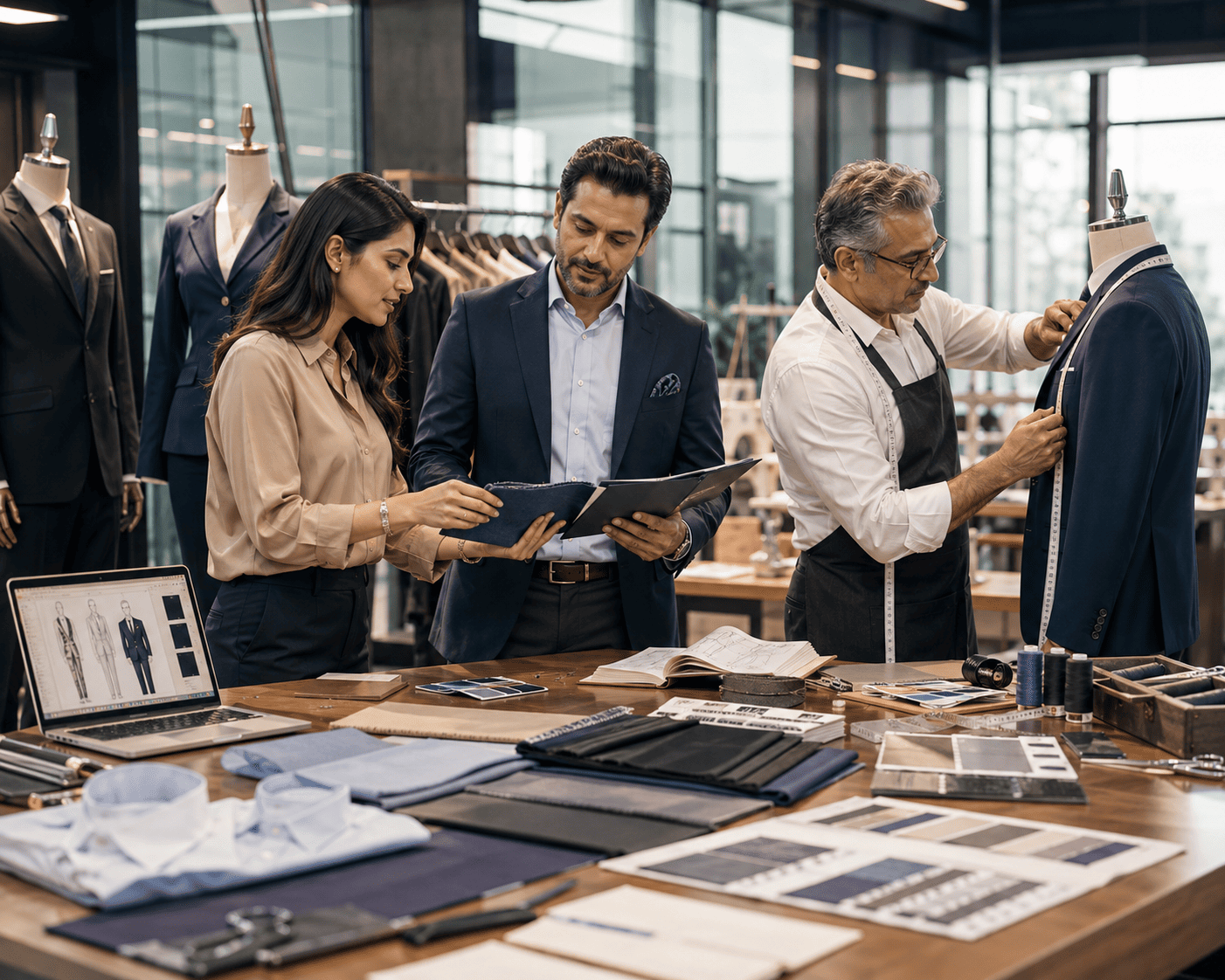
How businesses can reduce resistance: Instead of moving directly from design approval to large-scale production, test the proposed uniform with a smaller employee group first: sample → trial → employee feedback → modification → final approval → bulk production. This approach identifies practical problems before they affect the entire workforce.
6. Uniforms Require Maintenance and Replacement
Work uniforms are exposed to regular washing and repeated use. Over time, garments can experience fabric fading, colour variation, shrinkage, damaged stitching, worn collars or cuffs, damaged logos, stains and general fabric wear, so businesses need a clear replacement and reorder process.
How businesses can reduce this problem: Document uniform specifications — fabric, colour, garment pattern, logo size and position, embroidery thread, trims and measurements. Maintaining these specifications makes it easier to produce consistent replacement garments in the future.
7. One Uniform May Not Suit Every Employee Role
This is one of the most important mistakes businesses can make. Different employees perform different tasks: reception staff may need formal attire, housekeeping employees need comfortable and practical garments, maintenance personnel need durable workwear, managers may require shirts, jackets or blazers, and security personnel may require completely different uniforms. Trying to use one uniform design across all these roles can reduce comfort, functionality and professionalism.
A better approach: Create a uniform system, not one uniform. The organisation can maintain consistent branding through colours, logos and design elements while adapting individual garments to the requirements of each role.
How Businesses Can Reduce the Disadvantages of Employee Uniforms
Most disadvantages associated with workplace uniforms can be reduced through better planning. Before finalising a bulk uniform order, businesses should work through the following checklist:
- Define the purpose of the uniform
- Identify different employee roles and departments
- Select fabrics based on actual working conditions
- Consider the local climate and working environment
- Create samples before bulk production
- Conduct employee fitting trials
- Provide appropriate size options
- Test employee movement and comfort
- Check embroidery or printing placement
- Create different garments for different job functions where required
- Document approved uniform specifications
- Plan replacement and reorder requirements
- Define uniform washing and maintenance instructions
- Collect feedback before organisation-wide rollout
A structured process can prevent many common uniform problems before manufacturing begins.
Which Industries Benefit Most From Workplace Uniforms?
Uniform requirements vary significantly from one industry to another.
| Industry | Main Benefit of Uniforms | Key Consideration |
|---|---|---|
| Corporate offices | Professional brand consistency | Fit and modern styling |
| Hotels & restaurants | Guest-facing identification | Long-shift comfort |
| Hospitals & healthcare | Role identification | Mobility and washability |
| Industrial facilities | Functionality and safety | Durability and working conditions |
| Security services | Immediate identification | Outdoor comfort and durability |
| Facility management | Department identification | Frequent use and washing |


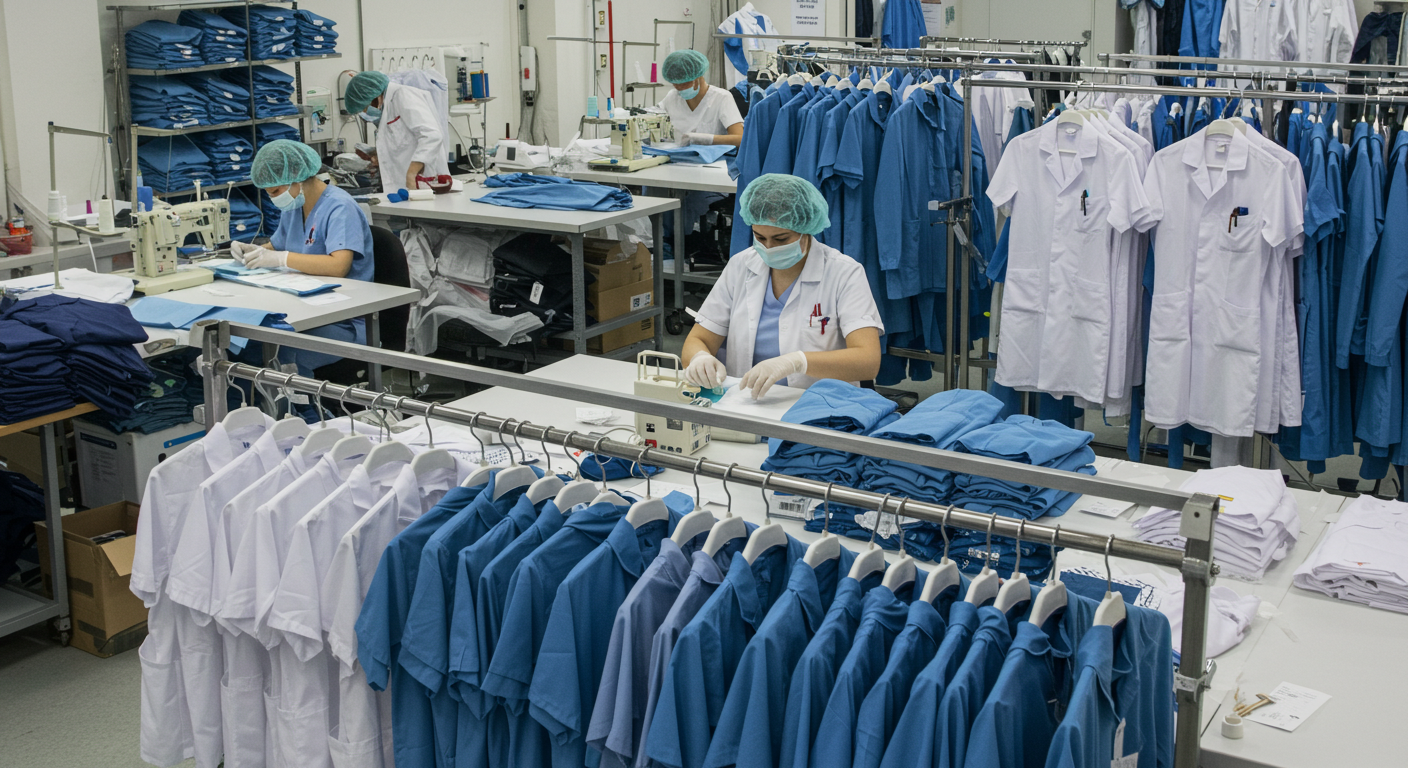

Corporate Offices
Corporate uniforms can help create a consistent professional appearance across reception teams, sales teams, administrative employees and customer-facing staff. Depending on the workplace, options may include shirts, trousers, polo T-shirts, waistcoats, jackets or blazers.
Hotels and Hospitality Businesses
Hospitality uniforms have to balance appearance with comfort. Employees may spend long hours standing, walking, serving guests, cleaning rooms or working in kitchens, so different departments require different garments while still maintaining one hotel brand identity.
Hospitals and Healthcare Organisations
Healthcare environments often contain several departments operating within the same facility. Hospital uniforms can help provide visual role differentiation while also meeting the practical requirements of employees who work long shifts.
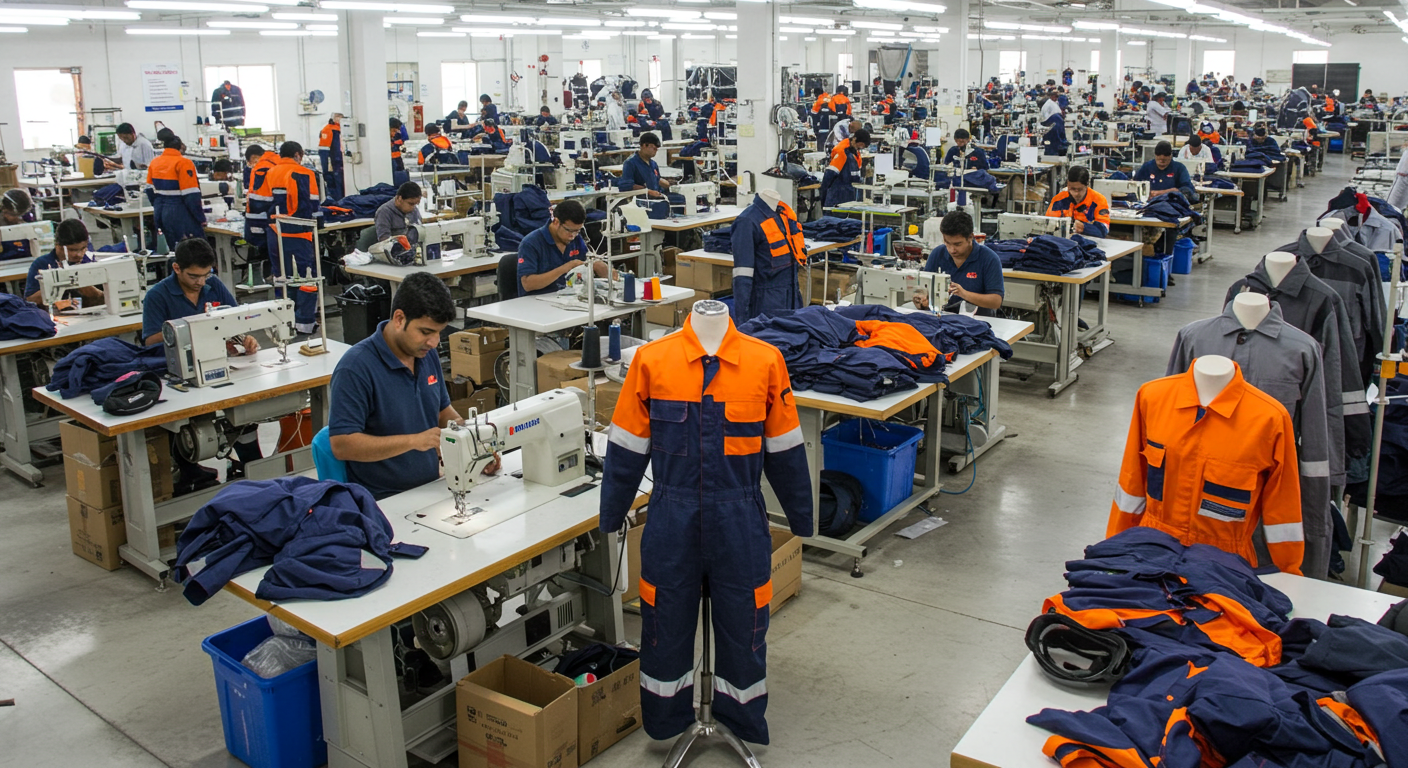
Industrial Workplaces
Industrial uniforms are generally more function-driven. Fabric durability, garment movement, practical construction and workplace conditions become especially important.
Security Companies
Security uniforms require clear employee identification, professional presentation, comfortable fit and suitable construction for extended working hours.
Employee Uniform vs Dress Code: Which Is Better?
Not every company necessarily requires a complete uniform program. For some organisations, a structured dress code may be sufficient.
| Employee Uniform | General Dress Code |
|---|---|
| Greater visual consistency | More employee flexibility |
| Strong branding opportunities | Limited company branding |
| Easier employee identification | Identification may require badges |
| Business controls garment quality | Clothing quality varies by employee |
| Requires procurement and inventory | Less inventory management |
| Useful for operational teams | Suitable for some office environments |
Choose uniforms when: employee identification is important; teams regularly interact with customers; multiple departments need differentiation; branding consistency matters; employees require role-specific garments; the organisation wants consistent presentation across branches.
A dress code may work better when: employees have little public interaction; individual professional clothing is acceptable; job roles do not require specialised clothing; branding through employee garments is unnecessary.
Many businesses use a hybrid approach — customer-facing and operational teams wear uniforms while other employees follow a defined professional dress code. If you want a closer look at what a uniform can specifically deliver for your team, our guide to the benefits of wearing an employee uniform goes deeper on that side of the decision.
What Should HR and Procurement Teams Consider Before Introducing Uniforms?
A workplace uniform program should begin with operational requirements rather than garment design alone. Before requesting quotations from a uniform manufacturer, consider the following factors.
1. How Many Employees Need Uniforms?
Establish approximate quantities by department, gender or fit requirement, and garment type. Also plan spare quantities for new employees and replacements.
2. What Work Will Employees Perform?
A uniform should reflect the employee’s real working environment. Ask whether employees will be sitting, walking, lifting, working outdoors, working in air-conditioned environments, exposed to heat, working long shifts, or interacting directly with customers.
3. How Often Will the Uniform Be Worn?
Daily-wear uniforms require different durability considerations than garments worn occasionally.
4. How Will the Uniform Be Washed?
Consider expected washing frequency and whether garments will be washed by employees or through a commercial laundry process.
5. Which Branding Method Is Appropriate?
Logo embroidery and printing both have different applications. The choice depends on the garment, fabric, branding design, quantity and required finish.
6. Are Different Departments Being Considered?
Map the uniform requirement role by role before finalising designs.
7. Have Employees Tried the Samples?
Never judge a workplace uniform only from a photograph or design mock-up. Fit, movement, fabric feel and practical usability should ideally be evaluated through physical samples.
What We’ve Learned From Workplace Uniform Manufacturing
One of the biggest lessons in uniform manufacturing is that the quality of the final garment depends heavily on the quality of the planning process. A business can choose an attractive design, but if the fabric is unsuitable, sizing is inconsistent, or employees cannot move comfortably, the uniform program can still fail. Selecting garments purely on the lowest per-piece cost can also create problems later if the uniforms need frequent replacement or cannot be reproduced consistently for new employees.
Across our work manufacturing corporate, hotel, hospital, industrial and security uniforms for businesses in Mumbai and beyond, the programs that run smoothly are almost always the ones where sampling and fitting trials happened before bulk production, not after. A stronger process usually includes: requirement understanding → fabric selection → design → sampling → fitting → approval → bulk production → quality inspection → delivery → reorder planning.
At Uniform Weavers, workplace uniform requirements can be developed according to industry, employee role, fabric requirement, branding, quantity, sizing and practical working conditions.
Are Workplace Uniforms Worth It?
For many organisations, workplace uniforms provide meaningful advantages. They can create a consistent professional appearance, strengthen branding, make employees easier to identify, help differentiate departments, and provide clothing suited to specific workplace roles.
However, uniforms are not automatically effective simply because every employee wears the same clothing. Poor fabric selection, incorrect sizing, uncomfortable designs and one-size-fits-all planning can turn a uniform program into a source of frustration.
The most successful approach is therefore not “What uniform should our employees wear?” It is “What uniform system will work best for our employees, brand, workplace and operational requirements?” Businesses that answer that question before production are more likely to create uniforms that employees can wear comfortably while maintaining the company’s required professional standards.
Need Custom Uniforms for Your Workforce?
If your business is planning uniforms for corporate, hospitality, healthcare, industrial, security, restaurant or facility-management teams, the process should begin with understanding your actual workforce requirements. Uniform Weavers provides custom workplace uniform manufacturing solutions based on employee roles, fabric requirements, sizing, branding, quantities and business needs.
Speak with our team to discuss uniform design requirements, fabric selection, logo embroidery or printing, employee sizing, sampling, bulk production, department-specific uniforms and repeat-order requirements.
Uniform Weavers | Uniform Manufacturer in Mumbai
📞 Phone: 91-9167-241-341
📍 Google Business Profile
Frequently Asked Questions
What are the main advantages of uniforms in the workplace?
The main advantages of workplace uniforms include a consistent professional appearance, stronger brand identity, easier employee identification, department differentiation, clearer dress standards, and the ability to provide garments appropriate for specific work environments.
What are the disadvantages of employee uniforms?
Common disadvantages include employee discomfort, limited personal expression, initial procurement costs, sizing difficulties, maintenance requirements, employee resistance, and the risk of using the same garment for roles with different requirements. Most of these can be reduced through proper fabric selection, sampling, fitting, role-based garment design and employee feedback.
Do uniforms make a workplace look more professional?
Well-designed, properly fitted and consistently maintained uniforms can help businesses create a more organised and professional visual identity, particularly in customer-facing environments. Garment quality, fit, cleanliness, branding and suitability for the employee’s role all affect the final appearance.
How can companies make employee uniforms more comfortable?
Businesses can improve comfort by selecting fabrics according to working conditions, providing appropriate sizing, allowing sufficient movement, creating seasonal garment options where needed, and testing samples with employees before bulk production.
Are uniforms better than a workplace dress code?
It depends on the organisation. Uniforms are generally more useful where businesses require employee identification, strong visual consistency, department differentiation, branding or role-specific garments. A general dress code may be sufficient for workplaces where employees have limited customer interaction and greater clothing flexibility is appropriate.
Which industries benefit most from employee uniforms?
Uniforms are commonly useful in corporate offices, hotels, restaurants, hospitals, industrial facilities, security services, facility management, logistics, retail and other businesses where employee identification, branding, safety or professional presentation is important.
What should a company consider before ordering employee uniforms?
Businesses should consider employee roles, working conditions, fabric, climate, comfort, garment fit, branding requirements, quantity, sample testing, maintenance, replacement frequency and future reorder requirements before approving bulk production.